
uPVC vs PVC Pipes Explained
uPVC and PVC are closely related but not the same: PVC contains plasticisers that make it more flexible, while uPVC (unplasticised PVC) is rigid, stronger and better suited to pressure and structural pipe. For most Saudi water, sewer and pressure applications, uPVC is the standard choice. 4B Factory manufactures both in Al-Kharj to Saudi Standards.
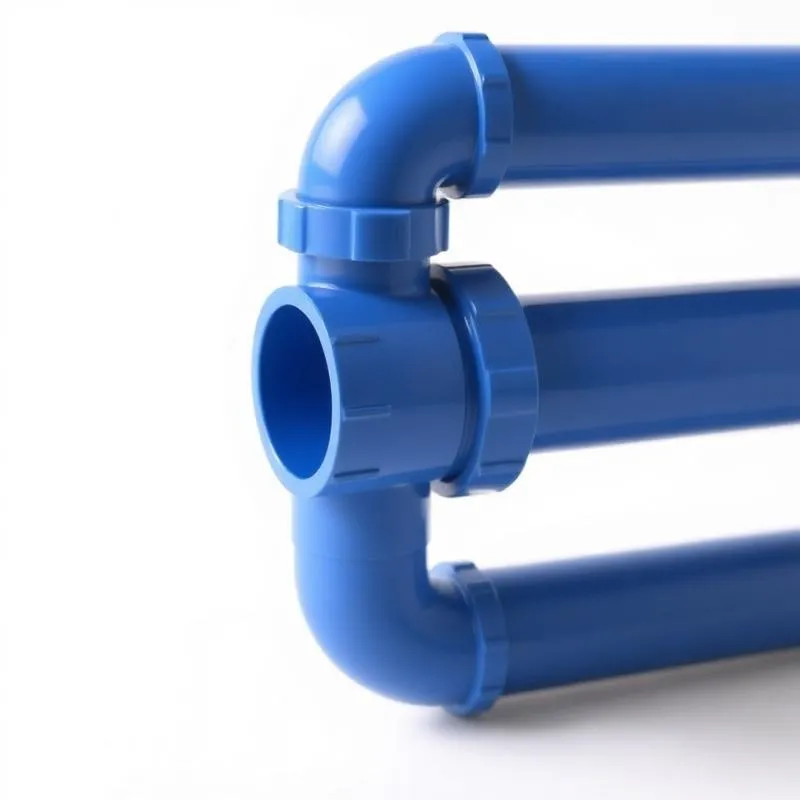
Stronger
What Sets uPVC Apart From PVC
Both materials start as polyvinyl chloride. The difference is the plasticiser. Standard PVC has plasticisers added to make it softer and more flexible, which suits some low-pressure and non-structural uses. uPVC — unplasticised PVC, sometimes called rigid PVC — leaves them out, producing a harder, stronger material with greater tensile strength and better resistance to pressure.
For pressurised water mains, sewer and drainage, and electrical duct, that rigidity matters: uPVC holds its shape under load and pressure, which is why it dominates Saudi infrastructure specifications. PVC still has its place in lighter-duty and fittings applications.

uPVC vs PVC: Comparison Table
The practical differences that decide which material a project specifies.
| Property | uPVC vs PVC |
|---|---|
| Plasticiser | uPVC: none (rigid) · PVC: added (flexible) |
| Strength | uPVC: higher tensile & impact strength · PVC: lower, more pliable |
| Pressure Rating | uPVC: suited to pressure mains (Class 4 & 5) · PVC: lighter-duty |
| Typical Use | uPVC: water mains, sewer, duct · PVC: fittings, low-pressure lines |
| Corrosion | Both: do not corrode or rust — suited to Saudi conditions |
| Standards | uPVC: SASO ISO 1452, SAS 1395/1396, SAS 14/15 · PVC: ASTM D 1785 |
Choosing the Right Material
Water Mains → uPVC
Pressurised potable and utility water lines use uPVC pressure pipe — see watermain pressure pipes.
Sewer & Drainage → uPVC
Gravity drainage and wastewater systems use rigid uPVC — see uPVC sewer pipes.
Electrical Duct → uPVC
Cable protection and conduit use rigid uPVC duct — see uPVC duct pipes.
Industrial Pressure → PVC ASTM
Schedule 40/80 pressure pipe to ASTM for industrial duty — see PVC ASTM pipes.
Fittings → PVC & uPVC
Sockets, couplings and bends are made in both — see customized fittings.
Standards Compliance
Whichever material, confirm the standard and certification — request the certificate of conformity from your manufacturer.
The Differences That Matter on Site
Beyond the plasticiser, five practical differences decide which material an engineer specifies for a Saudi project.
1. Strength and rigidity. uPVC has higher tensile and impact strength than plasticised PVC. That rigidity is what lets it carry internal pressure without deforming, so it is the material behind pressure-rated water mains and structural gravity drainage. Flexible PVC bends more readily, which is useful for some conduit and low-pressure runs but a liability where the pipe must hold a pressure class.
2. Pressure rating. uPVC pressure pipe is classified by pressure class — Class 4 (10 Bar) and Class 5 (16 Bar) are the common Saudi utility grades. Standard flexible PVC is not rated for these duties. If your line is pressurised, the specification will almost always call for uPVC.
3. Temperature behaviour. Neither material suits sustained hot-water service the way CPVC does, but rigid uPVC holds its shape better across the temperature swings of exposed Saudi installations. Both should be shielded from prolonged direct UV where they run above ground, or specified in a UV-stabilised grade.
4. Jointing. uPVC pressure and sewer pipe typically uses rubber-ring push-fit or integral-socket joints; PVC and smaller uPVC lines are often solvent-cement welded. The joint type follows the pipe class and diameter, not a blanket rule — confirm it against the product datasheet.
5. Corrosion and chemical resistance. This is the shared advantage: neither material corrodes, rusts or scales, which is why both outlast metal pipe in Saudi Arabia's saline soils and coastal humidity. For aggressive chemical service, confirm the specific chemical against a resistance chart before specifying either.
uPVC vs PVC on Saudi Projects
Why Saudi infrastructure specifications lean toward uPVC — and where PVC still fits.
On Saudi water, sewer and utility projects, the specification usually names uPVC because the networks are pressurised and the standards regime is built around it: SASO ISO 1452 for pressure pipe, SAS 1395 and SAS 1396 for sewer and drainage, and SAS 14/15 for non-pressure drain and conduit. A contractor submitting for Ministry, municipal, or utility approval (SEC, NWC, and similar bodies) will generally need to show conformity to these uPVC standards, which is a practical reason the rigid material dominates tenders.
PVC to ASTM D 1785 — Schedule 40 and 80 — still has a clear role, particularly on industrial and processing sites where American standards are specified, and in fittings, sockets and couplings produced in both materials. The two are not competitors so much as different tools: uPVC for pressurised and structural buried networks, PVC where an ASTM schedule or a lighter-duty line is called for.
The one rule that applies to both: specify by standard, not by the word on the label. "PVC" and "uPVC" are used loosely in the market, so the certificate of conformity — naming the exact standard, class and size — is what actually protects a project. 4B Factory supplies that documentation with every order from its Al-Kharj plant.
uPVC & PVC Pipe by 4B Factory
Both materials, manufactured in Al-Kharj to Saudi and international standards. Open any product for full specifications.


Not Sure Which Material You Need?
Send your application — water, sewer, duct or pressure — and 4B Factory will recommend the right uPVC or PVC specification, manufactured in Al-Kharj with standards documentation.
Frequently Asked Questions
PVC contains plasticisers that make it flexible; uPVC (unplasticised PVC) leaves them out, making it rigid, stronger and better suited to pressure and structural pipe. uPVC is the standard choice for water mains, sewer and duct.
Yes. Without plasticisers, uPVC has higher tensile and impact strength than standard PVC, which is why it is used for pressurised water mains and structural drainage applications.
uPVC is preferred for water supply and pressure mains because of its rigidity and pressure rating. Both materials are corrosion-free, but uPVC handles the pressure classes (Class 4 & 5) that water networks require.
No. Like PVC, uPVC does not corrode or rust, which makes both materials well suited to Saudi Arabia's saline ground and humid coastal conditions, unlike metal pipe.
uPVC pressure pipe follows SASO ISO 1452 and SAS 14/15; sewer follows SAS 1395/1396; PVC Schedule pipe follows ASTM D 1785. Always confirm the certificate of conformity for the exact standard.
Request uPVC or PVC Pipe
Send your application, sizes, class and quantities for a factory-direct quotation with standards documentation. Call, WhatsApp, or email info@4bfactory.com.