
PVC and uPVC pressure pipe is rated by class or PN — Class 4 (PN10) is roughly 10 Bar and Class 5 (PN16) roughly 16 Bar — while ASTM pipe is rated by Schedule (40, 80, 120). Sizes run from 20 mm conduit up to 710 mm drainage. This guide explains the classes, schedules and sizes so you can specify correctly. 4B Factory manufactures the full range in Al-Kharj.
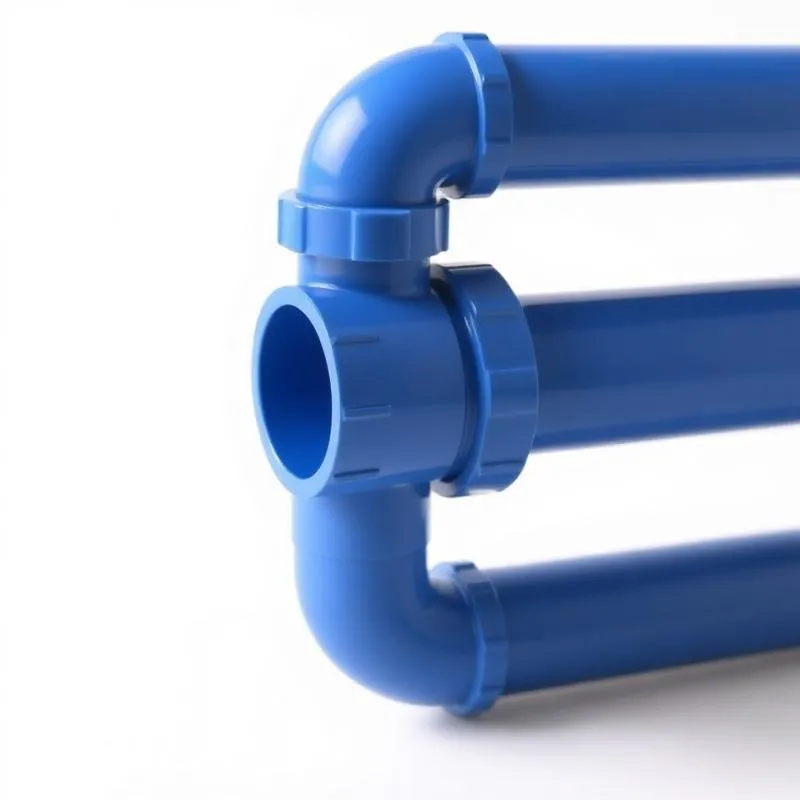
Pressure pipe is rated for the maximum working pressure it can safely carry. uPVC pressure pipe uses a class or PN (nominal pressure) system: Class 4 is rated to around 10 Bar and Class 5 to around 16 Bar. The higher the class, the thicker the wall relative to diameter, and the higher the pressure it withstands.
ASTM PVC pipe uses the Schedule system instead — Schedule 40, 80 and 120 — where a higher schedule means a thicker wall and higher pressure rating at a given size. SDR (Standard Dimension Ratio) is another way of expressing wall thickness relative to diameter. Matching the class or schedule to the working pressure is the core of specifying pressure pipe.

A quick reference for specifying PVC and uPVC pipe by class, schedule and size. Confirm exact ratings against the product datasheet for your application.
| Rating | Pressure / Size & Application |
|---|---|
| Class 4 (PN 10) | ~10 Bar · uPVC pressure mains · potable & utility water · 50–315 mm |
| Class 5 (PN 16) | ~16 Bar · higher-pressure uPVC mains · 50–315 mm |
| Schedule 40 | ASTM D 1785 · standard-wall PVC pressure pipe · ½″–8″ |
| Schedule 80 | ASTM D 1785 · thicker-wall, higher-pressure PVC · ½″–8″ |
| Sewer Class 2–4 | SAS 1395/1396 · gravity drainage (non-pressure) · 110–710 mm |
| Duct / Conduit | SAS 254/255 · NEMA TC 2 · cable protection · 20–63 mm |
Specify Class 4 (10 Bar) for gravity-fed or pressure-controlled distribution where the pressure budget, surge allowance included, stays clear of 10 Bar after derating. Specify Class 5 (16 Bar) for pumped transmission mains, large elevation drops, rapid-acting valves, or any tender that names it. Both classes share outside diameters, so the choice changes wall thickness and bore, not the fittings.
| Decision factor | Class 4 (PN 10) | Class 5 (PN 16) |
|---|---|---|
| Nominal rating at 20 °C | 10 Bar | 16 Bar |
| Wall at equal outside diameter | Thinner | Thicker |
| Internal bore | Larger, lower friction loss | Slightly smaller |
| Resin content per metre | Lower, lower cost | Higher, higher cost |
| Gravity-fed distribution | Usually sufficient | Over-specified in most cases |
| Pumped transmission main | Only with surge analysis showing margin | Default selection |
| Elevation drop above roughly 50 m | Not recommended without analysis | Appropriate |
| Elevated service temperature | Derated margin erodes quickly | Retains usable margin after derating |
| Deep cover or traffic loading | Check ring stiffness separately | Additional wall benefit |
| Size range at 4B Factory | 50 to 315 mm | 50 to 315 mm |
Class 4 is typically right where the line is gravity-fed from a reservoir or elevated tank, runs downstream of a pressure-reducing valve, or is not pumped (or is pumped at low head with soft-start and slow-closing valves). It also suits utility, landscape and irrigation water at low working pressure under adequate cover. On a municipal distribution network most pipe by length often falls in this group, which is why blanket Class 5 specification is expensive.
Pumped transmission mains need Class 5 because a pump trip sends a negative pressure wave followed by a positive return surge, and the class rating has to carry the positive one. Elevation matters too: roughly every 10 m of vertical drop adds about 1 Bar of static head at the low point, so a 60 m fall consumes 6 Bar before any pump pressure is counted. Fast-closing valves, deep cover or heavy traffic loading, and tender specifications that name Class 5 point the same way.
A network can change class by pressure zone: Class 5 near the pump or at the base of a fall, Class 4 downstream of pressure control where the budget allows. Mark the transition on the drawing and in the field, and place it upstream of the pressure control, not at it. If a pressure-reducing valve fails open, the downstream Class 4 section sees upstream pressure.
Class alone is not a specification. Send the nominal outside diameter and total length per size, the pressure class, the governing standard, the joint type (integral socket with seal or plain end), the service (potable water, utility water, irrigation or process), any fittings, bends and couplings needed with the pipe, and the delivery location and dates. Send the specification through our contact page or see the watermain pressure pipes range. For ASTM-rated pipe the equivalent decision is Schedule 40 against Schedule 80, covered in Schedule 40 vs Schedule 80.
Potable and utility pressure lines use Class 4 or 5 uPVC — see watermain pressure pipes.
Higher-pressure industrial duty uses ASTM Schedule pipe — see PVC ASTM pipes.
Gravity drainage uses non-pressure sewer classes in large diameters — see uPVC sewer pipes.
Electrical and telecom conduit uses smaller-diameter duct pipe — see uPVC duct pipes.
Non-standard sizes and fabricated bends are made to order — see fabricated products.
Match class or schedule to the working pressure and confirm the standard — see the full product range.
Every class and schedule below is manufactured in Al-Kharj to Saudi and international standards. Open any product for full size and pressure data.


Send your working pressure, flow and size requirements and 4B Factory will recommend the right class, schedule and diameter, manufactured in Al-Kharj with standards documentation.
Class 4 uPVC pressure pipe is rated to around 10 Bar and Class 5 to around 16 Bar. Class 5 has a thicker wall relative to diameter and withstands higher working pressure, so it is used where the network pressure is greater.
Schedule refers to wall thickness in ASTM PVC pipe. Schedule 80 has a thicker wall than Schedule 40 at the same diameter, giving it a higher pressure rating for industrial duty.
PN stands for nominal pressure, expressed in Bar. PN 10 corresponds roughly to Class 4 and PN 16 to Class 5. It states the maximum working pressure the pipe is rated to carry.
4B Factory manufactures from 20 mm duct pipe up to 710 mm sewer and drainage pipe, covering pressure mains, ASTM Schedule pipe, conduit and fabricated products.
Match the class or schedule to the maximum working pressure of your network, with a safety margin. For water mains that usually means Class 4 or 5; for industrial pressure, Schedule 40 or 80. Confirm against the product datasheet.
Send your working pressure, sizes, class or schedule and quantities for a factory-direct quotation. Call, WhatsApp, or email info@4bfactory.com.