
uPVC pipe is rigid pipe made from unplasticised polyvinyl chloride, which is PVC with no plasticiser added. That makes it stiff, corrosion-free and light, so it is used for water mains, sewers, drainage and cable ducts. The u stands for unplasticised, and the same material is often written PVC-U.
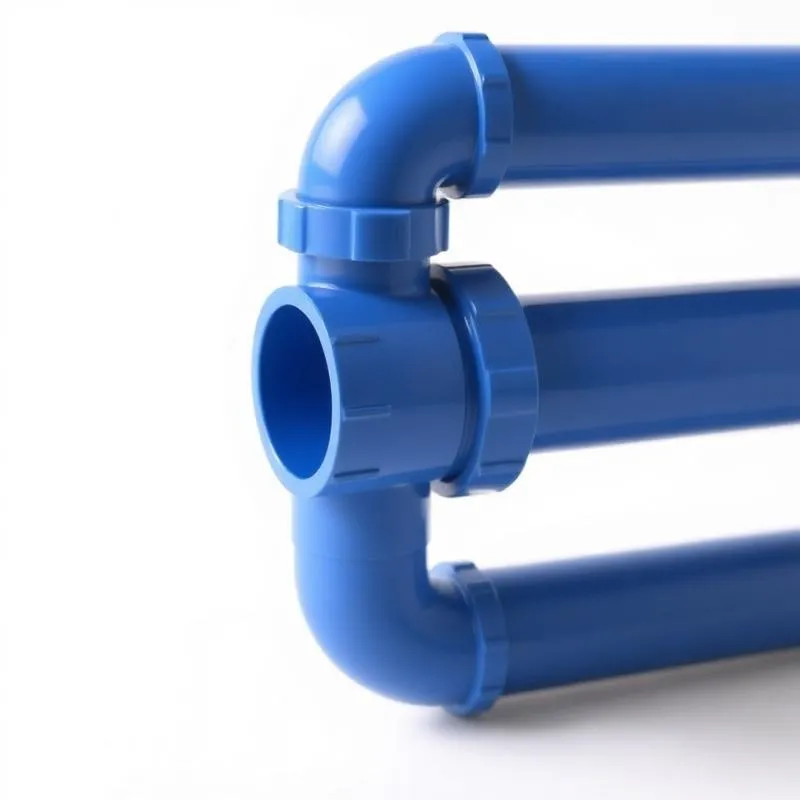
uPVC stands for unplasticised polyvinyl chloride. You will also see it written UPVC, PVC-U or rigid PVC. The name carries the one fact that matters: no plasticiser has been added to the compound.
Plasticisers are what make PVC soft. Flexible PVC, the kind used for hoses and cable sheathing, contains them. Leave them out and the same polymer sets hard, which is why uPVC pipe holds its round section under soil load and internal pressure instead of sagging or bulging.
On Saudi tenders and supplier lists, “PVC pipe” usually means this rigid material as well. The distinction matters when you buy flexible products or fittings, and the uPVC vs PVC comparison covers where the two terms part ways.
Five properties decide most selection questions. The figures below are general material values; the data sheet for the pipe you buy is the authority.
| Property | What to expect | What it means on site |
|---|---|---|
| Density | About 1.4 g/cm³ | Light enough to handle by hand in smaller sizes, and less than a quarter of the weight of steel for the same volume. |
| Corrosion | Does not rust or pit | No lining or cathodic protection is needed. Some solvents and chemicals do attack it, so check the chemical resistance guide for process lines. |
| Temperature | Pressure rating is quoted at 20 °C; operating limit is around 60 °C | Suited to cold and ambient water. Allowable pressure falls as the water warms; see temperature derating. |
| Bore surface | Smooth | Lower friction loss than rough-bore materials such as cast iron, which helps on long mains. |
| Wall stiffness | Rigid | Holds its shape in the trench, but it is less forgiving of impact than HDPE, especially when cold or when handled roughly. |
Density and temperature figures are general values for rigid PVC (source: Wikipedia, “Polyvinyl chloride”). Pressure ratings are set by the product standard.
The material is the same across products. What changes is the wall, the standard and the job. 4B Factory lists four families, each with its own size range.
| Pipe family | Standard referenced | Typical use | Sizes listed |
|---|---|---|---|
| Pressure pipe, Class 4 (PN 10) and Class 5 (PN 16) | SASO ISO 1452 | Water mains, potable and utility water | 50–315 mm |
| Schedule 40 and Schedule 80 | ASTM D 1785 | Industrial, chemical and process lines | ½″–8″ |
| Sewer and drainage, Class 2–4 | SAS 1395 / 1396 | Gravity sewers and drainage | 110–710 mm |
| Duct and conduit | SAS 254 / 255, NEMA TC 2 | Cable protection | 20–63 mm, plus D54 and D56 |
Ranges as listed on 4B Factory product pages. Confirm available sizes and lengths when you request a quote.
When you need actual dimensions rather than ranges, the PVC pipe sizes chart gives outside diameter and wall thickness in millimetres and inches. To choose between Class 4 and Class 5, read PVC pipe pressure classes and sizes.
Water is the largest use. Class 4 and Class 5 pressure pipe carries potable and utility water in distribution networks, as set out on the PVC pipes for water supply page. Gravity sewers and drainage use heavier-walled non-pressure pipe, covered under sewage and drainage projects.
Cable routes use thin-walled duct and conduit: PVC conduit pipes for building electrical work and telecom ducting for underground runs. On farms, plain pipe feeds irrigation lines, while perforated and slotted pipe drains soil and screens boreholes, as described in the well casing guide. Industrial plants use Schedule 80 for process water and chemical transfer, subject to the industrial projects requirements.
Hot water. Above about 60 °C uPVC softens, and its pressure rating drops as water warms well before that. Use a material rated for the temperature.
Compressed air and gas. OSHA has warned that PVC pipe should not carry compressed air, because a ruptured line is a serious injury hazard (OSHA Hazard Information Bulletin). Use a pipe made for the duty.
Blown-fibre micro-ducts. HDPE usually wins here, and rigid uPVC serves as the outer duct. The uPVC vs HDPE vs ductile iron comparison sets out where each material fits.
Small and medium sizes are usually joined with solvent cement. The cement softens the two surfaces and welds them as it cures. Larger pressure pipe often uses a rubber-ring socket, which is quicker to lay and allows a little movement.
Fittings must match the pipe's size system and class. The PVC pipe fittings guide lists the fitting families, and the jointing guide covers cement, rubber-ring and Loc-Ring joints.
Look for the standard, nominal size, class or pressure rating and the manufacturer's name marked along the pipe. Ask for the data sheet and the SASO certificate that cover the exact product, not a general brochure. Our certificates and test reports page and submittal documentation guide show what a complete package contains, and the standards hub explains how SASO, SAS and ASTM references fit together.
Send the application, size, class or standard and quantity. We quote factory-direct from our Al-Kharj plant.
Request a QuoteFour Brothers Industrial Co. makes uPVC pipe at Industrial District 27 in Al-Kharj: watermain pressure pipes, ASTM Schedule 40 and 80 pipe, sewer pipes and duct pipes. It also fabricates custom fittings to order.
It is widely used for potable water, provided the pipe is made from a compound approved for drinking-water contact and meets the standard that applies to it. In Saudi Arabia, ask for the SASO certificate and data sheet for the exact product. Our lead-free uPVC pipe guide explains what to look for.
Buried pipe is shielded from ultraviolet light, and burial is how most mains, sewers and ducts are installed. Pipe left above ground for long periods can weather on the surface, so exposed runs are normally shaded or coated with a light-coloured water-based paint. Confirm the coating with the pipe manufacturer before you apply it.
Yes. Burial is the normal installation for pressure mains, sewers and cable ducts. Performance depends on trench width, bedding, cover depth and traffic load, so follow the pipe standard and the project engineer's design. Our installation and jointing guide covers the site practice.