
PVC Pipes for Agriculture Projects in Saudi Arabia
4B Factory makes the buried part of a farm water network: uPVC pressure mains from the wellhead to the field edge, perforated pipe for draining saline soil, the fittings that join them, and duct for pump cables. Everything is made in Al-Kharj and supplied factory-direct across the Kingdom, with standards documentation for consultant or tender approval.
For Saudi farms, uPVC pressure pipe (Class 4 at 10 bar, Class 5 at 16 bar, 50 to 315 mm) suits buried mains and sub-mains, while perforated uPVC pipe drains saline soil. Polyethylene drip lines and emitters usually come from the irrigation supplier. Keep uPVC buried or shaded, because direct sunlight degrades it.
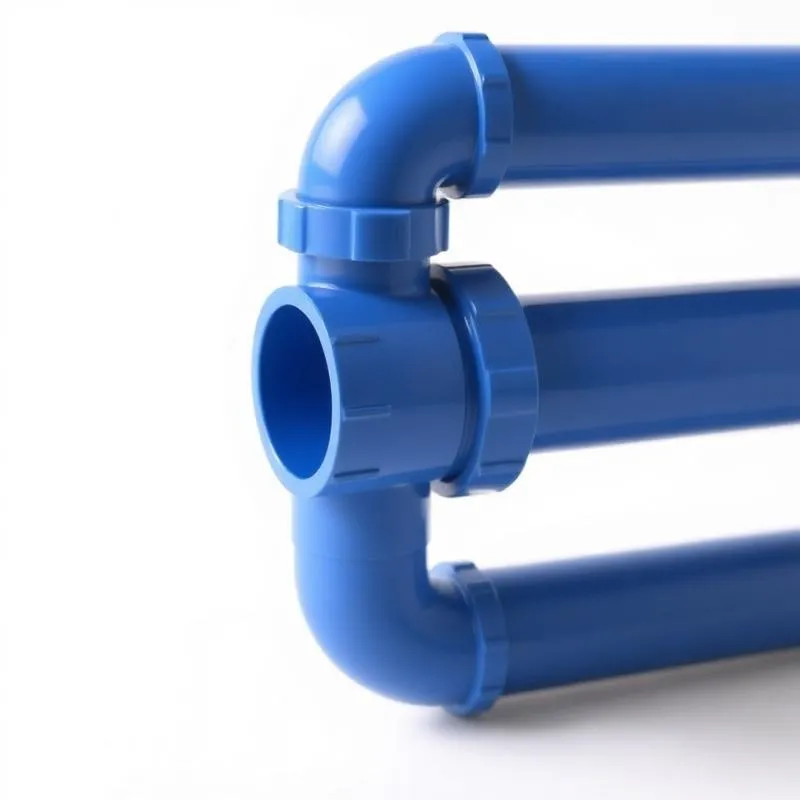
Pressure Mains
uPVC Does the Buried Work on a Farm Network
A farm network has three layers. The supply layer carries water from the well or reservoir, through the pump station, to the edge of the field. The distribution layer splits that flow into sub-mains for each block. The delivery layer, whether drip line, sprinkler or pivot, puts water on the crop. uPVC pressure pipe belongs in the first two layers, buried, where it cannot rust in saline ground and keeps friction losses low.
It does not belong in the third. The International Center for Biosaline Agriculture (ICBA) drip irrigation guide lists PVC, HDPE or LDPE for main lines, HDPE, LDPE or PVC for sub-mains, and LDPE or LLDPE for laterals, and it warns against leaving PVC in direct sunlight. We follow the same split: buried mains, drainage and fittings from us, surface-laid laterals and emitters from your irrigation system supplier. For a plain-language comparison of supply and drainage pipe, read our irrigation pipe guide for Saudi farms.
Which Pipe Goes Where in the Network
Sizes and classes come from our product pages. Confirm the exact rating against the datasheet for your duty.
| Position in network | Pipe | Size, rating and notes |
|---|---|---|
| Wellhead and pump discharge | uPVC pressure pipe, Class 5 | 50–315 mm · 16 bar at 20 °C. For higher pump heads; allow for surge and temperature. |
| Main line to the field edge | uPVC pressure pipe, Class 4 or 5 | Typically 90–315 mm. Class follows the highest pressure the line will see. Loc-Ring integral socket or solvent-weld joints. |
| Sub-mains and field distribution | uPVC pressure pipe, Class 4 | Typically 50–160 mm · 10 bar at 20 °C. Sized to the flow each block needs. |
| Bends, tees and reducers | Fabricated and customised fittings | 20–315 mm · up to 16 bar. Rubber-ring or solvent-weld ends to match the pipe. |
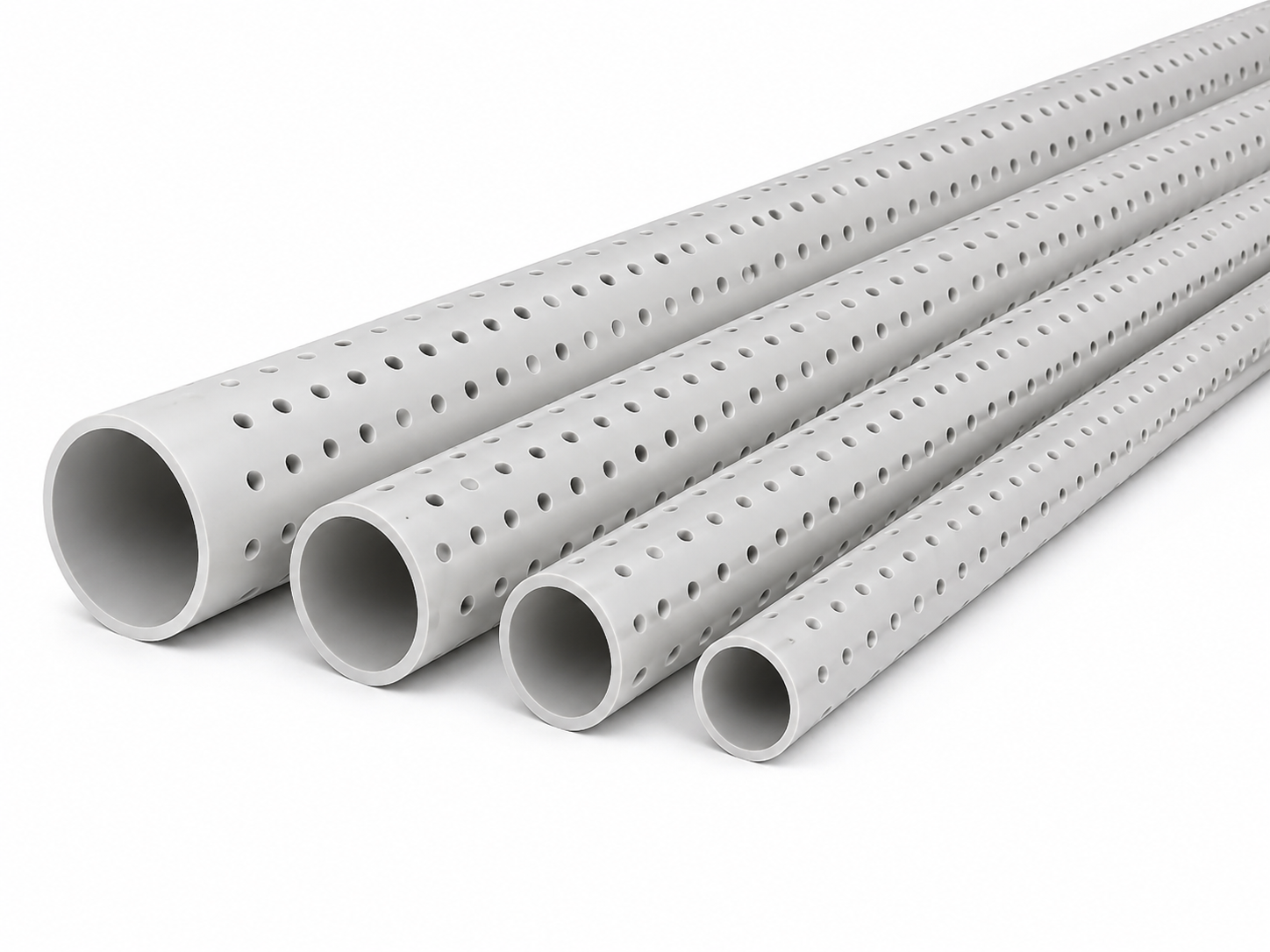
| Sub-soil drainage and salt flushing | Perforated uPVC pipe | 75–500 mm. Hole or slot pattern made to your soil and water-table design. |
| Borewell casing and screen | ASTM Schedule 40/80 casing with perforated screen | Covered in our well casing and borewell pipe guide. |
| Pump and control cable protection | uPVC duct pipe | 20–63 mm · SAS 254/255. |
| Drip lines, laterals and emitters | Polyethylene (LDPE or LLDPE) | Normally supplied by your irrigation system supplier and laid on the surface. |
Four Site Conditions That Decide the Pipe Choice
Deep groundwater and high pump head
Pressure class follows pump duty, not field size. Pick the class from the highest pressure the line will see, including shut-off head and surge, then check our pressure classes and sizes guide.
Saline soil and water
uPVC does not corrode in saline ground. Perforated pipe drains waterlogged soil and flushes salt from the root zone, which is why drainage and supply pipe are usually specified together.
Summer heat and sun
Pressure ratings are set at 20 °C and fall as the water and pipe warm up. Keep uPVC buried or shaded, and read our temperature derating guide before specifying shallow or exposed runs.
Trench, sand and rock
Bedding, backfill and joint choice decide whether a buried line lasts. Our installation and jointing guide covers rubber-ring and solvent-weld joints.
Pipe Systems for Farm Networks
Every card opens the full specification page.
Perforated uPVC Pipes
Sub-soil drainage and well screen. 75–500 mm, custom hole or slot pattern.
More Information →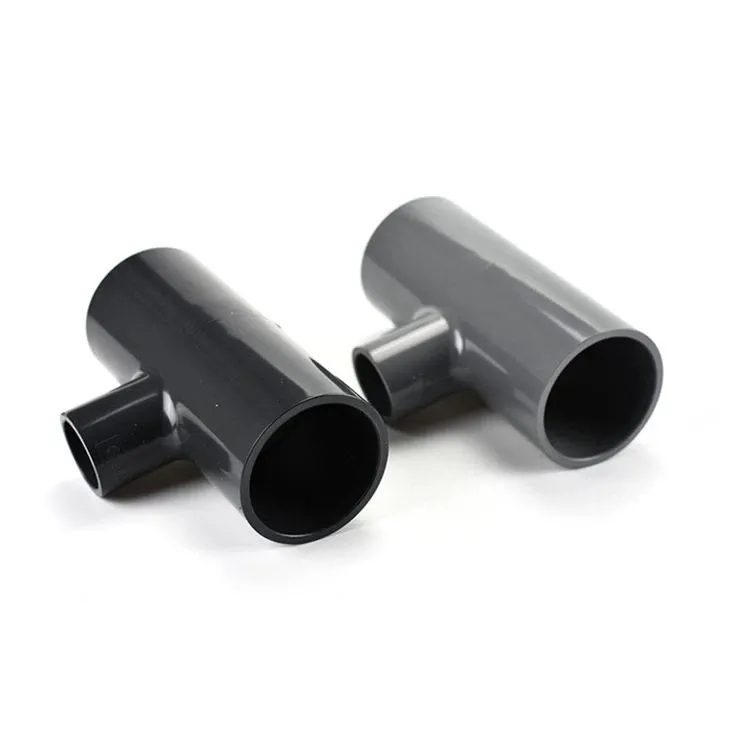

Supplying Saudi Farming Regions From Al-Kharj
Al-Kharj
Our plant sits in the Al-Kharj agricultural belt, so farm orders ship from the same district they are used in.
Qassim
Water comes from deep wells across the Buraydah and Unaizah farming belt, so casing, screen and wellhead mains are usually ordered together.
Hail
Centre-pivot cereal and fruit production depends on groundwater, which makes the wellhead-to-pivot line the core order.
Madinah
A long-standing agricultural belt sits alongside the city’s urban growth, so farm and municipal pipe demand overlap.
What to Send for an Accurate Quotation
Six details let us recommend the class, diameter and fittings without a second round of questions.
| Detail | What it decides |
|---|---|
| Water source and depth | Casing and screen requirements, and the pump duty. |
| Flow rate and pump head | Diameter, pressure class and surge allowance. |
| Route length and burial depth | Quantity, joint type and trench width. |
| Soil type and salinity | Bedding, and the perforation pattern for drainage. |
| Expected water and ground temperature | Temperature derating applied to the class. |
| Consultant or tender requirements | Which standards documents and certificates we prepare. |
Delivery From Al-Kharj to Farms Across the Kingdom
Orders ship directly from our plant in Al-Kharj Industrial District. See typical delivery distances to each region on the locations page.
Frequently Asked Questions
Use it for buried mains and sub-mains, not for the drip lines themselves. Drip laterals are normally flexible polyethylene (LDPE or LLDPE), and the ICBA guide recommends HDPE rather than PVC for surface installation because PVC degrades in direct sunlight. We supply the buried network; your irrigation system supplier provides laterals and emitters.
Choose the class from the highest pressure the line will see, not the pump’s duty point. Allow for shut-off head and surge, and check temperature derating for hot summer water. Class 4 is rated 10 bar and Class 5 is rated 16 bar at 20 °C. Send the pump curve and route and our technical team will advise on the class.
Yes. Perforated uPVC pipe lets groundwater enter through holes or slots, which lowers the water table and carries dissolved salts away from the root zone. Hole size, row count and pitch are made to the project design, and uPVC does not corrode in saline soil.
We make bends, tees and reducers from 20 to 315 mm, rated up to 16 bar, with rubber-ring or solvent-weld ends. The final transition to polyethylene laterals normally uses adaptors from the irrigation system supplier.
Standards documentation and material certificates are supplied per order, so a consultant or project owner can approve the pipe. Tell us the specification at enquiry stage so the right documents are ready.
Request Pipe for Your Farm Project
Send your field area, water source, flow, pump head, route length and soil conditions for a factory-direct quotation. Call, WhatsApp, or email info@4bfactory.com.